
Taking on a DIY project can be one of the most rewarding parts of owning a home. From small upgrades to full-scale renovations, there’s a sense of pride that comes from looking at a finished project and knowing that you did it. But as many homeowners discover, some tasks quickly become more complex than expected, especially when concrete is involved.
At first glance, concrete might seem straightforward. It’s solid, durable and widely used throughout homes, from floors and foundations to walls and external spaces. However, working with it is another matter entirely. Whether you’re planning to install new services, create an opening, or reshape part of your property, knowing your limits is just as important as having the right tools.
So how do you know if your project is manageable, or if it’s time to bring in a professional?
Concrete is designed to last. Its strength is exactly what makes it such a reliable building material, but that same strength can also cause your DIY downfall. Tasks like drilling into concrete, or modifying existing structures require far more than a standard drill and a steady hand.
Many homeowners begin by researching “how to drill into concrete”, expecting it to be similar to working with wood or plaster. In reality, concrete often contains aggregates and, in many cases, steel reinforcement. This combination can quickly turn a simple job into a challenging, and potentially risky, task.
Even relatively small mistakes can lead to uneven finishes, cracking and damage that affects the integrity of the structure. That’s why it’s important to approach any concrete work with care and realistic expectations.
There are certainly some concrete-related jobs that fall comfortably within DIY territory; fixing shelving to a wall, installing light fittings and securing fixtures. These can often be handled with the right equipment and precision.
For these types of tasks, following a few basic drilling tips can make all the difference. Using the correct drill bit, applying steady pressure and taking your time can help achieve a clean result. It’s also important to check for any hidden pipes or cables before you begin.
However, as soon as a project moves beyond simple fixings, the level of difficulty increases significantly.
Many DIY projects evolve over time. What starts as a simple renovation, can quickly expand once you begin uncovering what lies beneath the surface. For example, installing a new bathroom might require rerouting pipework through floors or walls. Creating an open-plan space could involve removing sections of structural concrete.
This is often the point where homeowners start exploring different ways on how they can cut concrete, or looking into more professional methods of modifying their space.
Concrete cutting isn’t just about making a hole or opening. It requires careful planning, the right equipment and an understanding of how the structure will respond.
Attempting more complex concrete work without the right expertise can lead to a range of issues, some of which may not be immediately obvious.
One of the most common problems in DIY is unintended damage. Cracks can spread beyond the area you’re working on, weakening surrounding sections. In some cases, this can affect the overall stability of a wall or floor.
There’s also the risk of hitting hidden services. Electrical cables, water pipes and gas lines are often concealed within or beneath concrete. Without proper checks, drilling into concrete in these areas can be dangerous and costly to repair.
Another factor to consider is the quality of the finished product. Rough edges, uneven cuts and poorly positioned openings can create additional work for you later on, especially if you’re planning on installing fixtures or fittings.
One of the clearest signs that a project may be too large for DIY is when it involves cutting concrete slab sections or making structural changes. Floors and foundations are what support your property, so any alterations need to be carried out with precision.
Whether you’re installing drainage, underfloor heating or creating access points, cutting into a slab requires specialist equipment designed to handle dense materials, without causing unnecessary vibration. Standard tools often struggle to deliver the level of accuracy needed, which can result in jagged edges and accidental damage.
Here at DP Diamond Drilling, we use advanced techniques to ensure clean, controlled results. This is particularly important when working in domestic settings, where disruption needs to be kept to a minimum.
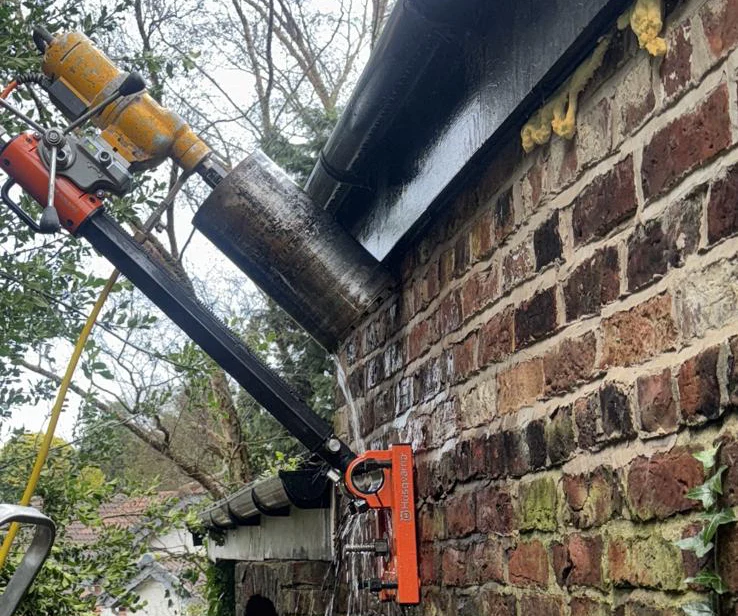
One of the biggest differences between DIY and professional work lies in the tools being used. Whilst it’s possible to hire equipment, specialist machinery such as diamond drills and saws are designed for experienced operators like us.
These tools allow for precise drilling with minimal vibration, reducing the risk of cracks and structural issues. They also produce cleaner finishes, which means less time spent on repairs or adjustments later on.
Our professional contractors also have access to water-fed equipment that significantly reduces dust. This not only keeps the working environment cleaner but also makes the process safer, particularly in your home.
Safety is a key consideration in any construction or renovation project, but it becomes even more important when working with concrete. The combination of heavy materials, powerful equipment and hidden hazards means there’s very little margin for error.
Our contractors will always carry out thorough assessments before starting work; identifying potential issues and putting measures in place to manage them. This includes checking for reinforcement, locating services and ensuring that any structural changes are properly supported.
Taking these steps helps prevent accidents and protects the long-term integrity of your property.
It’s natural to assume that doing the work yourself will save money, and in some cases this is true, but there can be costly consequences. Mistakes can lead to repairs, while delays can disrupt the rest of your project.
By bringing us in at the right stage, you can avoid these setbacks and keep everything on track. We work efficiently, completing tasks to a high standard.
In many cases, this actually reduces overall costs by minimising the risk of rework and ensuring that installations fit correctly the first time.
So, how do you decide when it’s time to step back and seek our professional help?
As a general rule, if your project involves structural changes, large openings or anything beyond basic fixings, it’s worth consulting an expert. The same applies if you’re unsure about what hidden fixtures may lie within your walls.
There’s no harm in asking for advice early on. In doing so, you can give yourself clarity and advice on how to plan your next steps with confidence.
DIY projects are a fantastic way to improve your home and develop new skills. There’s real value in taking on tasks yourself, particularly when they’re well within your capabilities.
At the same time, recognising when a job requires professional input is just as important. Concrete work, especially when it involves structural elements or precision cutting, is an area where our expertise can make a significant difference.
By combining your own efforts with the support of our experienced contractors, you can achieve the best of both worlds; a home that reflects your vision, completed safely, and to the highest standard.
At DP Diamond Drilling, we’ve supported homeowners nationwide for decades. As a family-run business, we understand the importance of working carefully within people’s homes and delivering results that are both precise and considerate.
If you’re planning a project and aren’t sure whether it’s time to call in a professional, our team is always happy to offer advice. From guidance on how to cut concrete, to carrying out specialist drilling and cutting work, we’re here to support you at every stage.
Get in touch with DP Diamond Drilling today to discuss your project and find the right approach for your home.